The cultural and artistic impact of the artist's rug, also known as a contemporary art rug, is an art form that has grown in popularity in recent years. This type of rug is designed and crafted in the style of contemporary artists of the 20th century. The cultural and artistic impact of these rugs is undeniable, and it is interesting to explore why they have gained popularity and how they contribute to enriching our cultural world. First of all, it is important to emphasize that the artist's rug is a unique fusion of art and craft. The artists who create these rugs use traditional weaving and embroidery techniques to create their works. However, instead of creating traditional patterns or conventional designs, they push the boundaries of this medium by exploring new forms of artistic expression. This results in rugs that are one-of-a-kind works of art, combining both aesthetic beauty and conceptual dimension. This blend of art and craft is one of the reasons why artist rugs are so highly valued. They are not only functional objects, but also artistic pieces that can be displayed in galleries and museums. These rugs transcend the boundaries between art and interior design, bringing an artistic and personal touch to any environment in which they are placed. They can serve as a focal point in a room or complement an existing decor, adding a dimension of originality and creativity to the space. Another important aspect of the cultural impact of artist rugs is their potential to tell stories and convey messages. Like any other art form, these rugs often carry symbolic meaning or special significance. Artists use patterns, colors, and textures to express ideas, emotions, and thoughts on topics such as cultural identity, social issues, the environment, politics, and more. These rugs are therefore much more than just decorative objects; they are vehicles for artistic expression, means of visual communication, and a platform to provoke reflection in viewers. The growing popularity of the artist rug can also be attributed to the growing interest in contemporary art and crafts. In recent decades, there has been a shift in the perception of art, from simple aesthetic representation to a deeper exploration of ideas and concepts. Contemporary artists are increasingly encouraged to experiment and push the boundaries of their mediums, which has paved the way for the emergence of new forms of artistic expression such as the artist rug. Moreover, as we live in an increasingly digital world, people are drawn to more tangible and physical forms of art. Artist rugs offer a unique visual and tactile experience, allowing viewers to fully appreciate the quality of the materials, the details of the work, and the different textures. In a world dominated by screens and virtual images, artist rugs offer a break, an invitation to connect with the artwork in a more intimate and sensory way. Another element to consider is the timeless nature of artist rugs. Unlike other forms of contemporary art, which can be ephemeral or subject to current trends, artist rugs have a longer lifespan. They are designed to last and be enjoyed for years, even decades. This makes them lasting investments and a cultural legacy that can be passed down from generation to generation. In terms of cultural significance, artist rugs help highlight traditional craftsmanship and reposition it within the contemporary art context. The techniques used to create these rugs are often ancestral and are passed down from generation to generation. By incorporating these traditional weaving methods into modern, innovative works of art, artists celebrate and preserve these practices while revitalizing them for future generations. In conclusion, the artist's rug has a significant cultural and artistic impact. It offers a unique fusion of art and craft, bringing an artistic and personal dimension to any environment. These rugs tell stories, convey messages, and provoke re
ACTUALITÉs
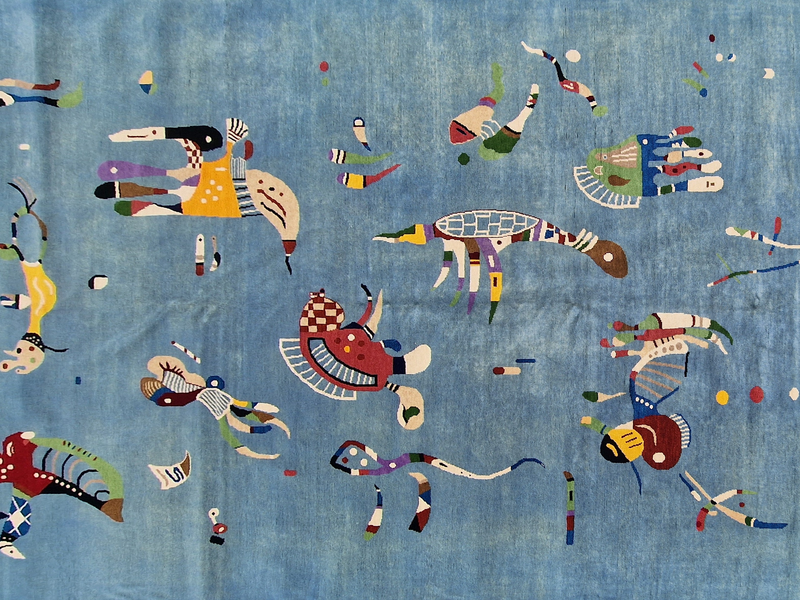
This article explores the cultural and artistic impact of the artists' rug. It highlights the importance of this object in the world of art and culture, and how it helps promote creativity and artistic expression. Discover how artists use rugs as a support for their works, and how this enriches the artistic landscape.
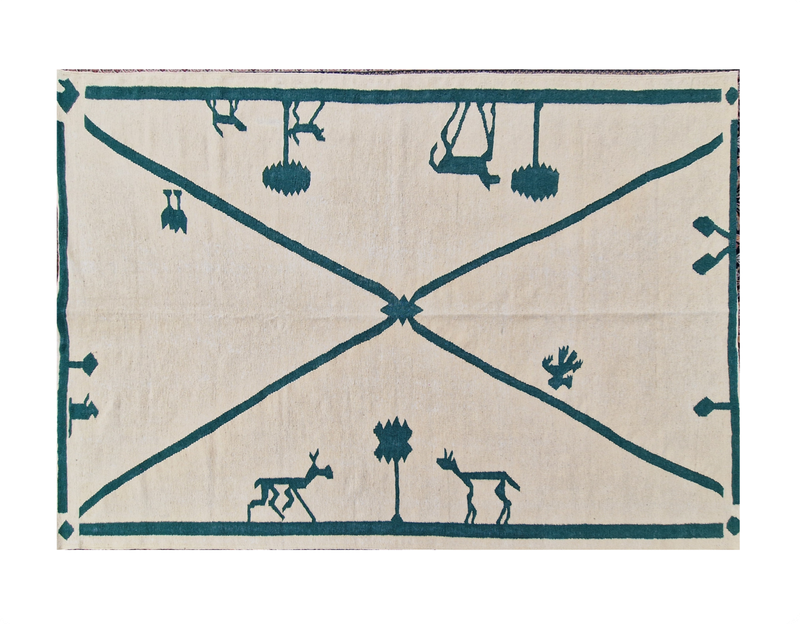
This article explores how Diego Giacometti's distinctive works influence modern trends in contemporary rug design, highlighting key elements and artistic inspirations.
Introduction
Diego Giacometti (1902–1985), brother of the renowned sculptor Alberto Giacometti, made his mark on the art world primarily as a furniture and interior designer. His works, which incorporate natural and animal forms, have influenced various fields of contemporary design, including carpet design. This article examines the impact of his creations on modern carpet design, exploring how his motifs and techniques continue to influence contemporary designers.
Methodology
To analyze Diego Giacometti's impact on contemporary carpet design, a mixed methodology was used, combining visual analysis of his works and contemporary carpet design with semi-structured interviews with current designers. Case studies of specific carpets inspired by Giacometti were also included, allowing for a deeper understanding of the specific elements of his style that resonate in contemporary design.
Results
The survey results show that several key features of Giacometti's works are incorporated into contemporary carpet design:
- Organic Forms : Giacometti's motifs, often inspired by nature and animal forms, are found in many modern rugs, where these elements are stylized to create dynamic textures and reliefs.
- Textures : Giacometti's innovative use of textures is manifested in rug design through the use of different materials and weaving techniques to produce a varied tactile sensation.
- Artistic Abstraction : The influence of abstraction in his sculptures is reflected in modern rugs that use abstract shapes and flowing compositions to generate a sense of movement and spontaneity.
Discussion
The results clearly indicate that Diego Giacometti has had a significant influence on the field of contemporary carpet design. Carpet designers exploit his motifs, texturizing techniques, and approach to abstraction to enrich the aesthetics and functionality of their creations. This influence is particularly evident in the way organic forms are integrated into modern designs, creating a harmony between art and utility.
The analysis of contemporary designers' responses and case studies of rugs explicitly inspired by Giacometti's work highlights a design approach that values the fusion of art with everyday pragmatism. This trend illustrates the staying power of Giacometti's ideas in the field of contemporary design and continues to spark a fertile dialogue across generations, styles, and creative disciplines.
In conclusion, the study demonstrates that Diego Giacometti not only left his mark on the world of furniture and sculpture, but continues to inspire contemporary carpet designers, allowing them to explore new aesthetic and functional terrain. His legacy, characterized by a subtle interplay between form and function, remains an innovative pivot in the art of contemporary carpets.