The Impact of Diego Giacometti's Works on Contemporary Carpet Design
Introduction
Diego Giacometti (1902–1985), brother of the renowned sculptor Alberto Giacometti, made his mark on the art world primarily as a furniture and interior designer. His works, which incorporate natural and animal forms, have influenced various fields of contemporary design, including carpet design. This article examines the impact of his creations on modern carpet design, exploring how his motifs and techniques continue to influence contemporary designers.
Methodology
To analyze Diego Giacometti's impact on contemporary carpet design, a mixed methodology was used, combining visual analysis of his works and contemporary carpet design with semi-structured interviews with current designers. Case studies of specific carpets inspired by Giacometti were also included, allowing for a deeper understanding of the specific elements of his style that resonate in contemporary design.
Results
The survey results show that several key features of Giacometti's works are incorporated into contemporary carpet design:
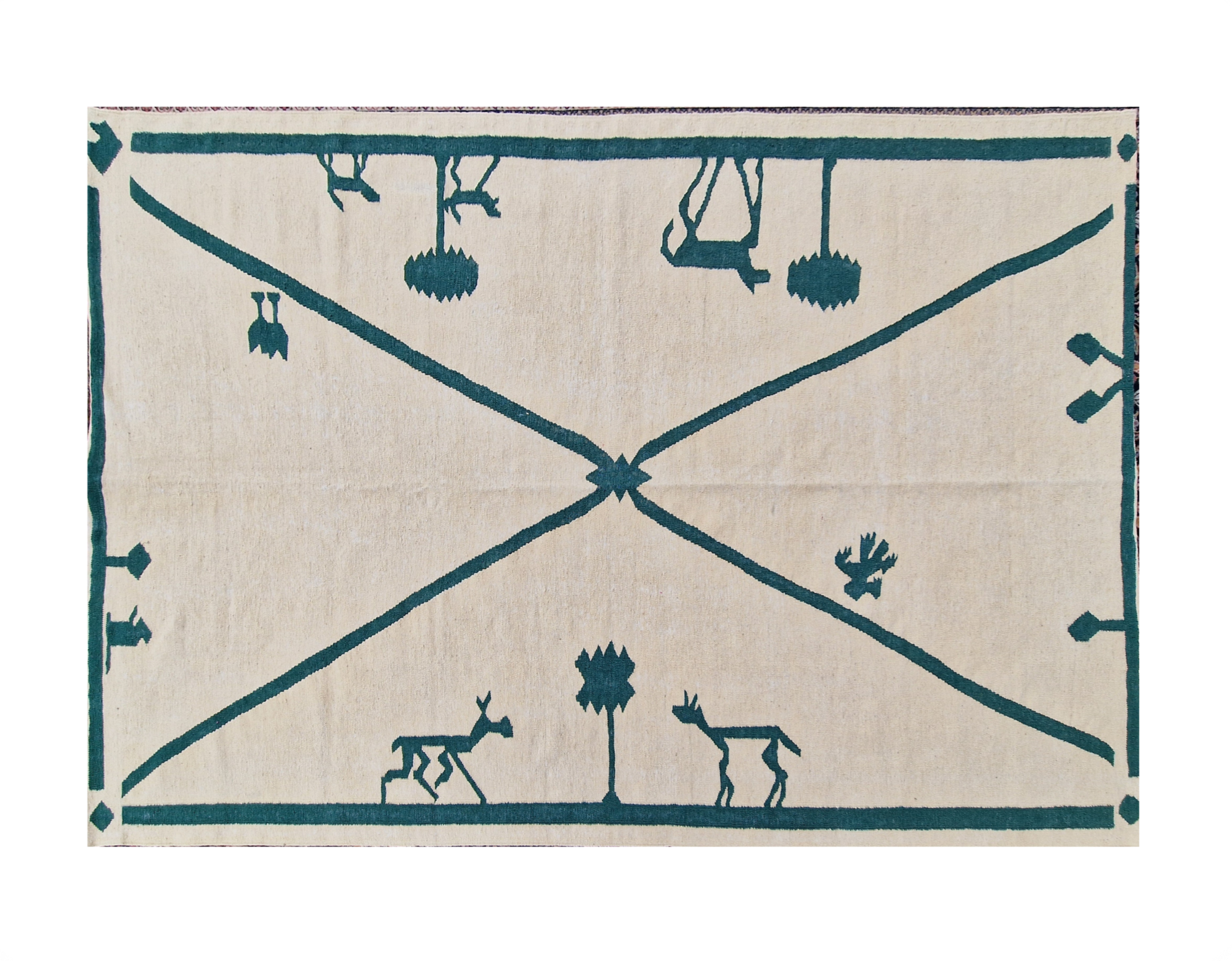
- Organic Forms : Giacometti's motifs, often inspired by nature and animal forms, are found in many modern rugs, where these elements are stylized to create dynamic textures and reliefs.
- Textures : Giacometti's innovative use of textures is manifested in rug design through the use of different materials and weaving techniques to produce a varied tactile sensation.
- Artistic Abstraction : The influence of abstraction in his sculptures is reflected in modern rugs that use abstract shapes and flowing compositions to generate a sense of movement and spontaneity.
Discussion
The results clearly indicate that Diego Giacometti has had a significant influence on the field of contemporary carpet design. Carpet designers exploit his motifs, texturizing techniques, and approach to abstraction to enrich the aesthetics and functionality of their creations. This influence is particularly evident in the way organic forms are integrated into modern designs, creating a harmony between art and utility.
The analysis of contemporary designers' responses and case studies of rugs explicitly inspired by Giacometti's work highlights a design approach that values the fusion of art with everyday pragmatism. This trend illustrates the staying power of Giacometti's ideas in the field of contemporary design and continues to spark a fertile dialogue across generations, styles, and creative disciplines.
In conclusion, the study demonstrates that Diego Giacometti not only left his mark on the world of furniture and sculpture, but continues to inspire contemporary carpet designers, allowing them to explore new aesthetic and functional terrain. His legacy, characterized by a subtle interplay between form and function, remains an innovative pivot in the art of contemporary carpets.