Fernand Léger rug based on an Aubusson tapestry 1953 20th century hand-knotted unique piece high artistic quality tapestry 3 x 2 m
The Fernand Léger Carpet based on a 1953 Aubusson tapestry is a masterpiece of 20th century artists' carpets. This unique piece resurrects the work of Fernand Léger in a hand-knotted tapestry of high artistic quality. With its generous dimensions of 3 x 2 meters, this magnificent piece is ideal for elevating the aesthetic feature of any room. The creativity of this work of art combined with the sophistication of the craftsmanship elevates the rug to a level that transcends the traditional functions of any ordinary rug. If you're looking to incorporate a touch of artistic elegance into your interior, this rug is the perfect option.
- SKU: fl1-23-mn
- Shipping:
- Return Policy: We understand that buying a rug can be a big investment and we want you to be completely satisfied with your purchase. For this reason, we offer a 30-day return policy for rugs purchased from our site. If you are unhappy with your rug for any reason, you may contact us within 30 days of receiving your order to request a return. Carpet must be in its original, unused, undamaged condition with all tags and accessories included. We reserve the right to refuse a return if the rug is not in its original condition. Return costs are the responsibility of the customer, unless the rug is faulty or we have made an error in your order. If your rug is eligible for a refund, it will be processed within 5 days of receipt of the returned rug. Please note that our 30 day return policy does not apply to personalized or bespoke rugs, which are subject to specific return conditions. We encourage you to read this information carefully before placing your order. If you have any questions regarding our return policy or would like to return a rug, please contact us and we will be happy to assist you.
Learn More
Fernand Léger | 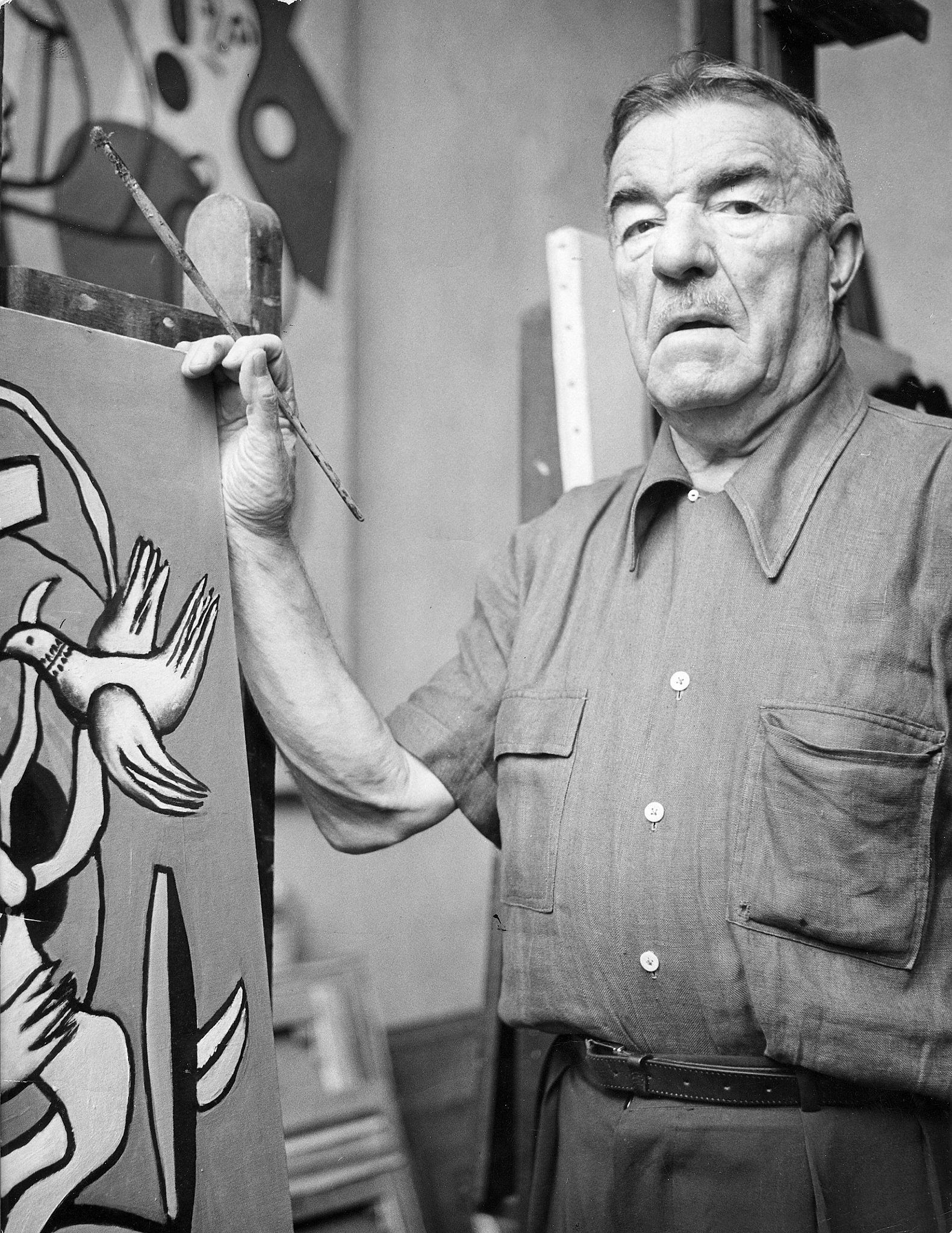 |
Fernand Léger, born on February 4, 1881, in Argentan (Orne) and died on August 17, 1955 in Gif-sur-Yvette (Essonne), is a French painter, also creator of tapestry cartoons and stained glass windows, decorator, ceramist, sculptor, designer and illustrator. He was one of the first to publicly exhibit work of a Cubist orientation, although his style has sometimes been described as "tubist." At nineteen, after a childhood in Argentan and studying architecture in Caen, he discovered the Paris of 1900. Léger never completed the architectural training he had come to pursue. Slowly, patiently absorbing the dynamic movement of the city, he traded his pencil for paintbrushes: the assurance of a stable career against the promise of perilous freedom. From 1903, Léger shared a studio with the painter André Mare. After failing at the Beaux-Arts, he practiced in various academies. Daniel-Henry Kahnweiler, who became his dealer, remembers Léger going to draw nudes almost every evening at the Académie de la Grande Chaumière. It remains difficult to know what these drawings looked like. Léger does say that he destroyed a large part of his works between 1902 and 1908 as they were produced. Perhaps they still contained some traces of the sentimentality of Le Jardin de ma mère, painted in 1905, or of Gamins au soleil (1907), which Guillaume Apollinaire described as "post-impressionist evening bathing." Without over-interpreting, the destruction of these drawings can be likened to a purely artistic act: by attacking his outdated attempts, Léger was already brutalizing tradition. Work at the International Ceramics Museum of Faenza. In 1907, like many Parisian painters, he was deeply influenced by the retrospective devoted to Cézanne, which definitively shaped his painting. The same year, he discovered the Cubism of Picasso and Braque. | |